
2026-10-17 ·
Roof Ventilation and Attic Insulation: Why They Matter in Utica, NY
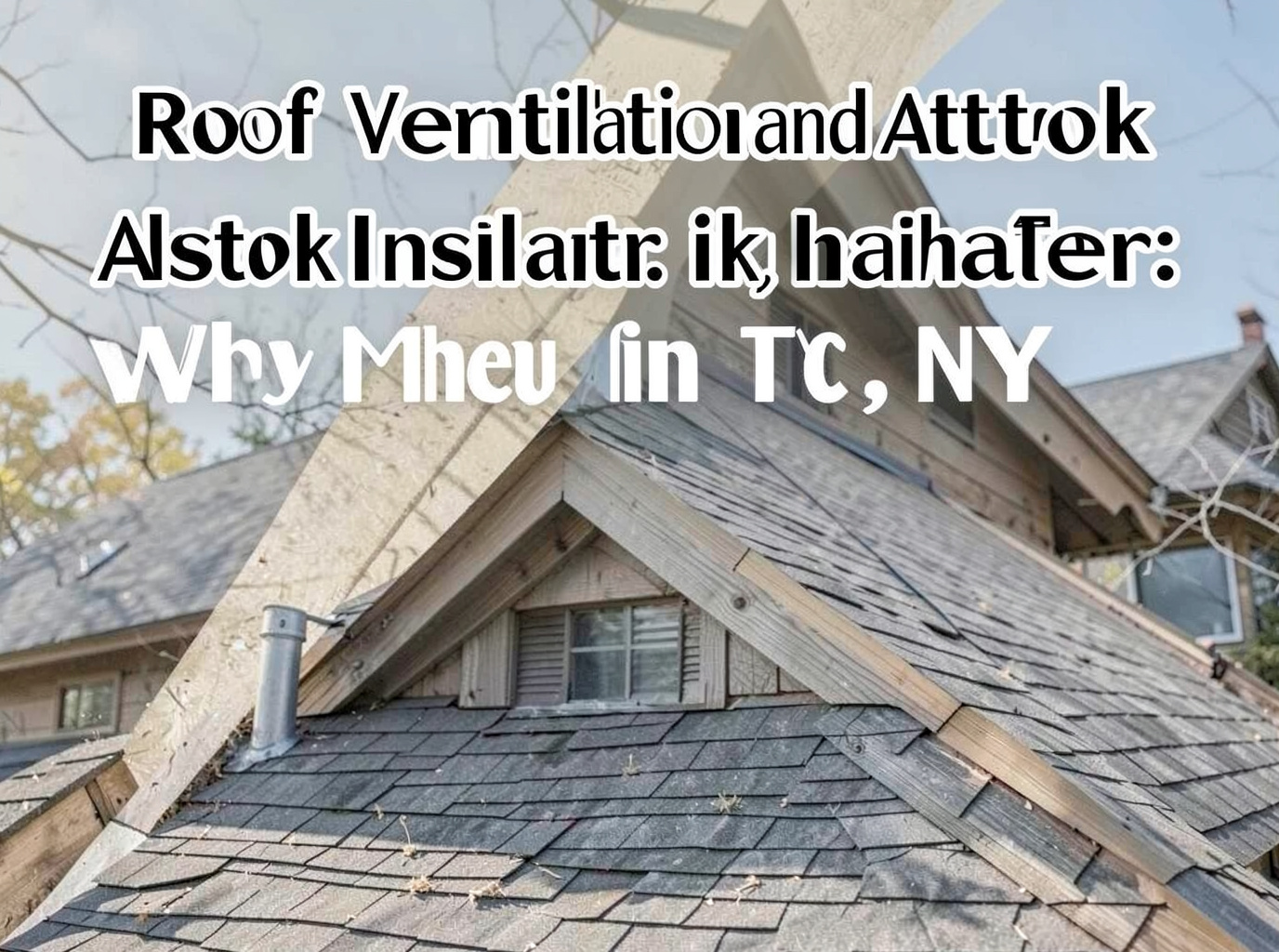
In Utica's humid continental climate with cold snowy winters, proper roof ventilation paired with adequate attic insulation prevents heat buildup that leads to ice dams while reducing moisture damage across neighborhoods like Cornhill, East Utica, and West Utica.
Ventilation Needs in Oneida County Winters
Utica homes built decades ago in areas such as Downtown Utica and South Utica often have limited soffit and ridge venting because older construction did not account for the heavy snow loads common here. Without enough airflow, attic temperatures rise even when outside readings stay below freezing, melting roof snow that refreezes at the eaves and creates ice dams. These dams force water under shingles and into living spaces, especially on the north-facing slopes that stay shaded longer. Effective ventilation moves warm air out before it can warm the underside of the roof deck, keeping the entire surface closer to outside temperatures. Homeowners in nearby Rome and Syracuse face the same pattern, but Utica's position in the Mohawk Valley funnels additional lake-effect snow that increases the frequency of these cycles. Checking intake and exhaust points each fall helps identify blocked soffits from insulation or debris before the first heavy snow arrives.
Insulation Performance in Snowy Conditions
Attic insulation works with ventilation to maintain consistent temperatures that stop ice dam formation on roofs throughout Oneida County. In older housing stock found in Cornhill and East Utica, thin or settled insulation allows heat from living areas to escape upward, warming the roof deck unevenly. This uneven warming accelerates snow melt and refreezing along gutters and valleys. Adding insulation in the correct R-value range for this climate zone reduces the temperature differential that drives those cycles. It also limits condensation on roof sheathing during the freeze-thaw periods that stretch from November into March. Proper insulation depth around recessed lights and along the perimeter keeps the attic plane uniform so ventilation can do its job without creating cold spots that collect frost.
Connecting Ventilation, Insulation, and Ice Dams
Ice dams remain the most visible result when ventilation and insulation fall out of balance in Utica winters. Ice Dams and Winter Roof Leaks: Prevention Tips for Utica, NY explains how these formations develop on asphalt shingle roofs common throughout the city. When warm attic air melts snow that then refreezes at the eaves, water finds paths under shingles and around flashing. Homes near the Erie Canal or the Utica Zoo often sit in low spots where drifting snow adds extra weight and traps more meltwater. Pairing improved ventilation with targeted insulation upgrades addresses the root cause instead of only treating the leaks after they appear. Ice Dam Removal and Prevention covers mechanical removal methods used when dams have already formed, but prevention through airflow and insulation remains the more reliable long-term approach for properties in New Hartford and Whitesboro as well.
Practical Assessment Steps for Local Homes
Start by measuring attic temperatures on a cold day when snow covers the roof; a difference of more than 10 degrees from outside air signals inadequate ventilation or insulation. Walk the perimeter to confirm soffit vents are clear and ridge vents run the full length of the roof without obstructions. In neighborhoods such as West Utica and Bagg's Square Area, tree cover can block airflow, so trimming branches that overhang the roof improves performance. Check insulation depth at multiple points, paying attention to areas around chimneys and bathroom fans where gaps commonly occur. These checks performed before November help identify issues that would otherwise surface during January thaws. Asphalt Shingles for Cold Climates: What Utica, NY Homeowners Should Know provides additional detail on how shingle selection interacts with these ventilation and insulation factors on local roofs.