
2026-10-17 ·
Ice Dams and Winter Roof Leaks: Prevention Tips for Utica, NY
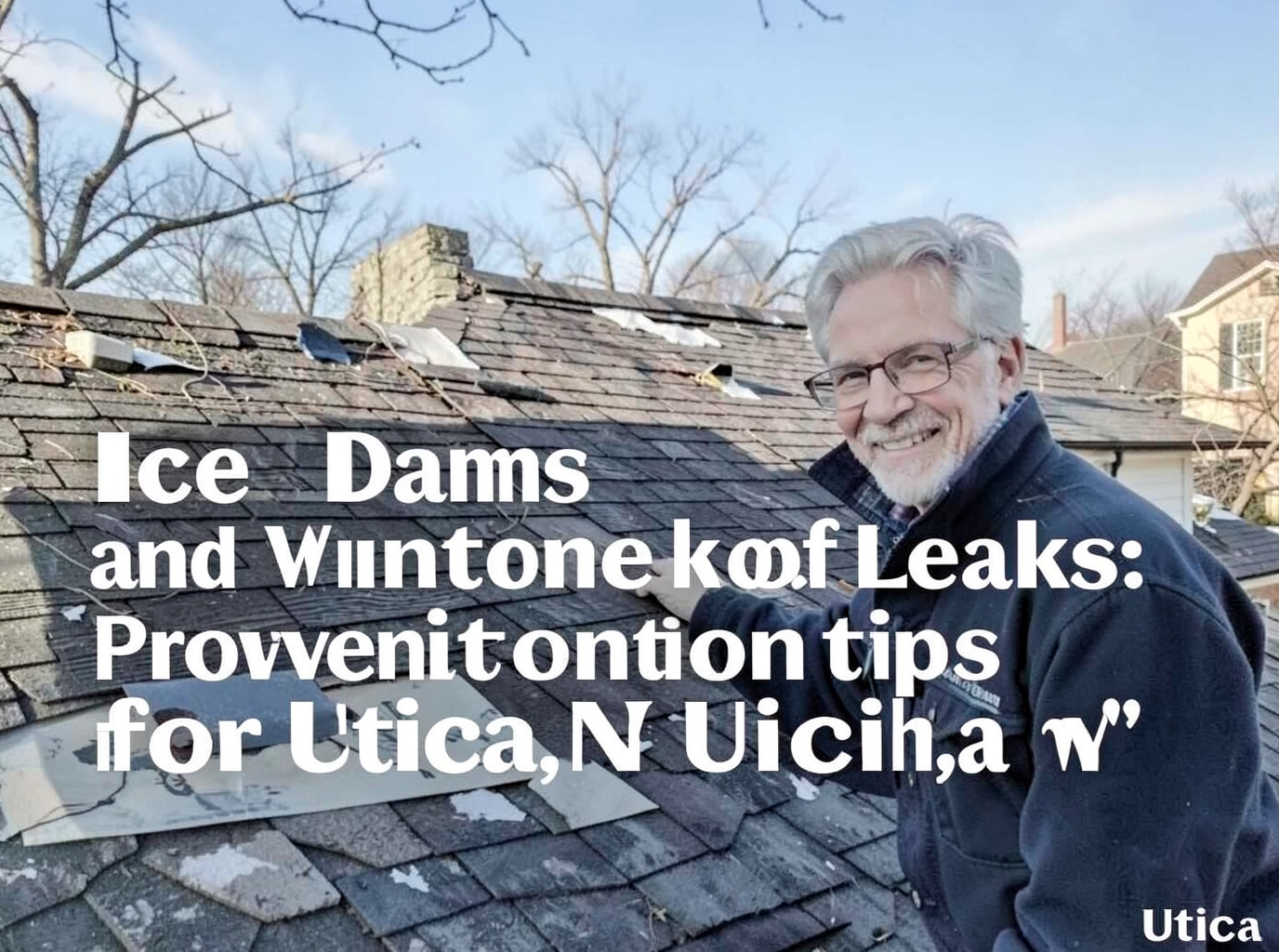
Ice dams and the leaks they cause are best prevented by sealing attic air leaks and adding insulation to keep the roof deck below 32 degrees during Oneida County's cold, snowy winters. This approach stops the melt-and-refreeze cycle that pushes water under shingles on homes in Downtown Utica, West Utica, and East Utica.
How Utica's Climate Creates Ice Dams
Utica's humid continental climate brings repeated freeze-thaw cycles from November through March. Snow piles up on roofs, then warm air from the house melts the layer directly against the shingles. That meltwater runs down to the colder eaves and freezes into a dam that backs up additional water under the roof edge. Older housing stock throughout Cornhill and South Utica often has thin insulation and unsealed penetrations, so heat rises easily and accelerates the process. The same pattern occurs on homes in nearby Rome and New Hartford when temperatures swing between single digits and the mid-30s. Wind off the Erie Canal corridor can also pack snow against north-facing slopes, making those sections especially prone to dams. Homeowners who ignore these conditions typically see leaks around chimneys, skylights, and valleys once the ice melts again.
Attic and Roof Inspection Steps
Start by checking attic insulation depth and looking for compressed or missing areas near the eaves. Measure the space between rafters and note any gaps around recessed lights, plumbing vents, and electrical boxes. Next, examine the roof from the ground for icicles longer than twelve inches along the gutters, a clear sign of heat loss. Walk the attic on a cold day and feel for warm spots on the underside of the roof deck. In neighborhoods such as Bagg's Square Area or North Utica, many homes built before 1960 have knob-and-tube wiring that limits insulation depth, so professional assessment is often required. Document any daylight visible through the roof sheathing and note the condition of existing ridge and soffit vents. These observations guide the specific fixes needed before the next heavy snowfall.
Practical Prevention Measures
Add baffles to maintain airflow from soffit to ridge vents and blow in additional cellulose or fiberglass to reach R-49 or higher in the flat attic areas. Seal all penetrations with foam or caulk rated for attic temperatures. Install self-adhesive ice-and-water shield along the first six feet of roof edge during any future re-roofing project. Keep gutters and downspouts clear of leaves and debris so meltwater can drain away from the foundation. On asphalt shingle roofs common in Oneida County, consider upgrading to a cold-climate formulation when replacement time arrives. These steps reduce the temperature differential that drives ice dam formation and cut the risk of interior water damage on homes throughout West Utica and East Utica.
When Professional Service Makes Sense
If ice dams have already formed or leaks appear inside the home, contact a roofing contractor experienced with local conditions rather than attempting roof-edge removal yourself. A crew can safely clear dams with steam or specialized tools without damaging shingles. They can also evaluate whether existing ventilation meets code for Utica's snow load and recommend targeted insulation upgrades. For ongoing roof concerns, schedule an inspection through the Ice Dam Removal and Prevention page. Readers wanting deeper background should review Roof Ventilation and Attic Insulation: Why They Matter in Utica, NY and Asphalt Shingles for Cold Climates: What Utica, NY Homeowners Should Know. Addressing these issues early keeps water out of living spaces during the long winter months.